What Happens If It Rains On Your Kauai Horseback Ride?
Kauai holds one of the wettest places on Earth and one of Hawaii's driest resort coasts, about fifteen miles apart. That single fact explains almost everything about planning a ride around rain here, and it is far more useful than any month-by-month average.
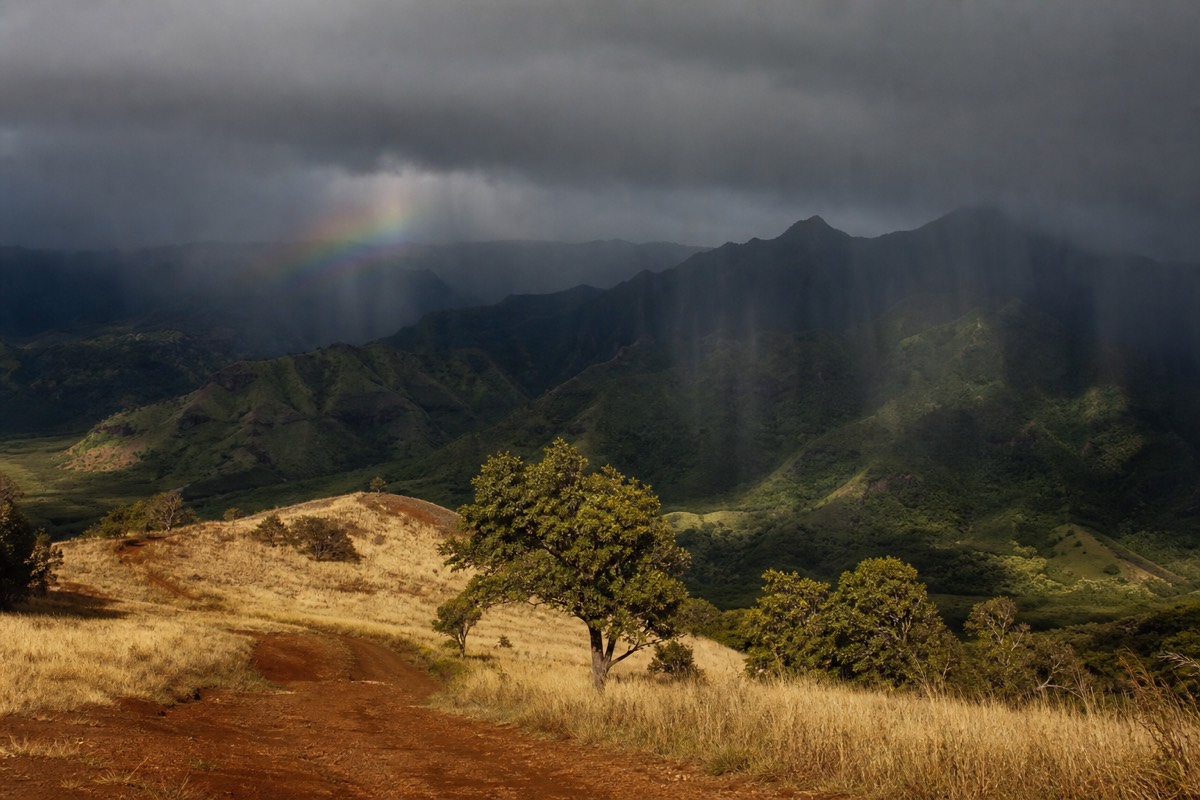
Riders looking at a December booking usually ask the wrong question. They ask which month is driest, when the number that actually predicts their morning is which side of the island they are standing on. Whether rain cancels your ride is decided by the operator, and the terms vary, so read the cancellation policy on the specific booking before you pay. The useful planning fact is geographic: the south shore around Po'ipu averages 30 to 40 inches of rain a year while the north shore gets roughly double that.
Which Months Are Actually The Rainiest On Kauai?
December and January are the wettest months, when the island can pick up something in the region of ten inches across the month. The wet season broadly covers November through March, and the drier stretch runs April through October. That matches what this site's own planning guidance already says about May and September being the sweet-spot months, sitting on the shoulders of the dry season without July and August crowd levels.
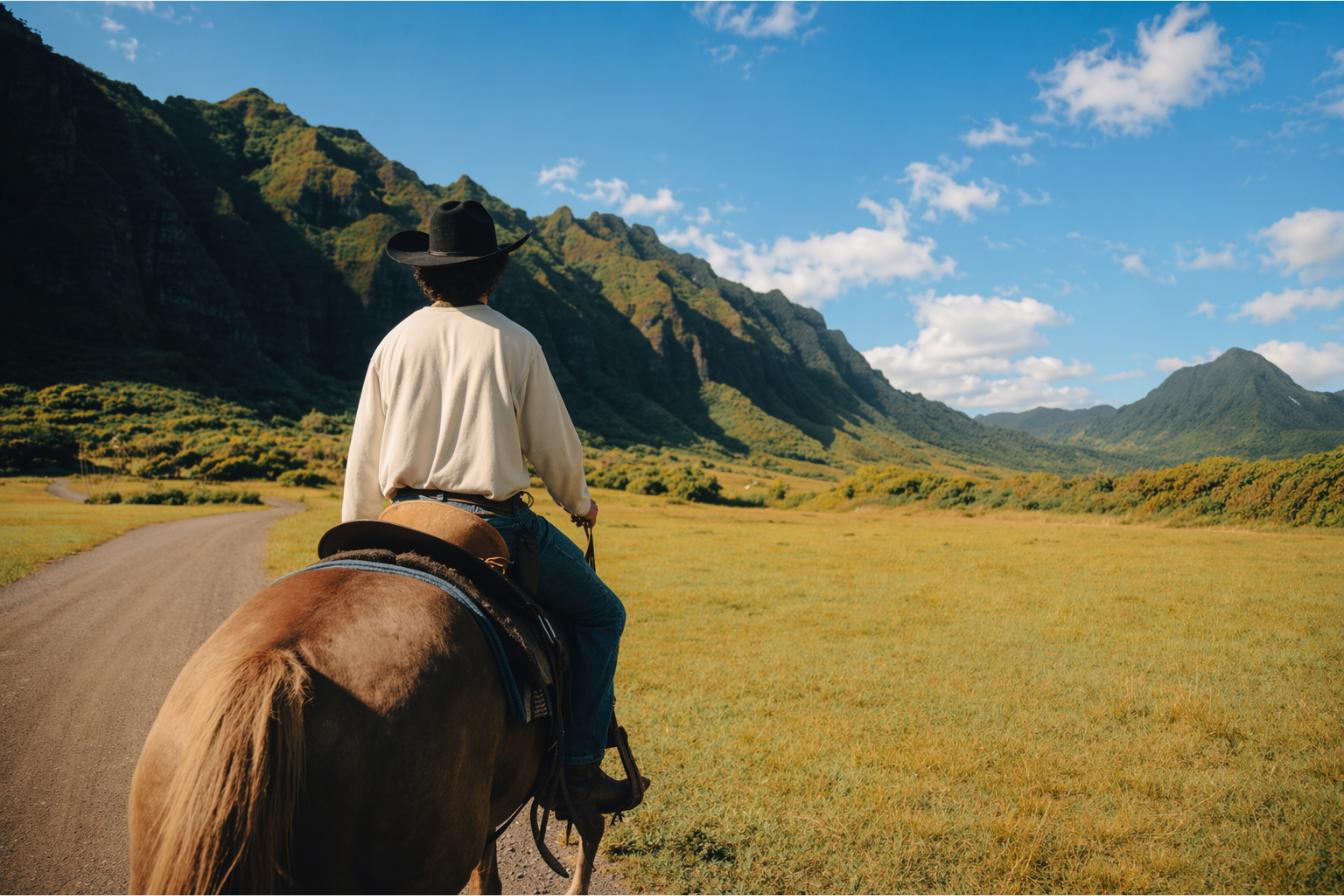
Averages hide the useful detail though. Kauai's rain arrives in short, localised bursts far more often than in all-day systems, and a month with a high total can still be full of perfectly rideable mornings. If you want the underlying numbers rather than a summary, the month-by-month climate record for Lihue is the closest long-run station to the south shore.
Why The Shore Matters More Than The Month
Here is the split that does the real work:
| Location | Approximate annual rainfall | Relevance to riding |
|---|---|---|
| Po'ipu, south shore | 30 to 40 inches | Where the rides on this site operate |
| Eastern towns (Kapa'a, Kealia) | 40 to 60 inches | Common accommodation base |
| Hanalei, north shore | Around 78 inches | Greener, wetter, Na Pali side |
| Mount Wai'ale'ale, interior | Around 450 inches | Source of the island's reputation |
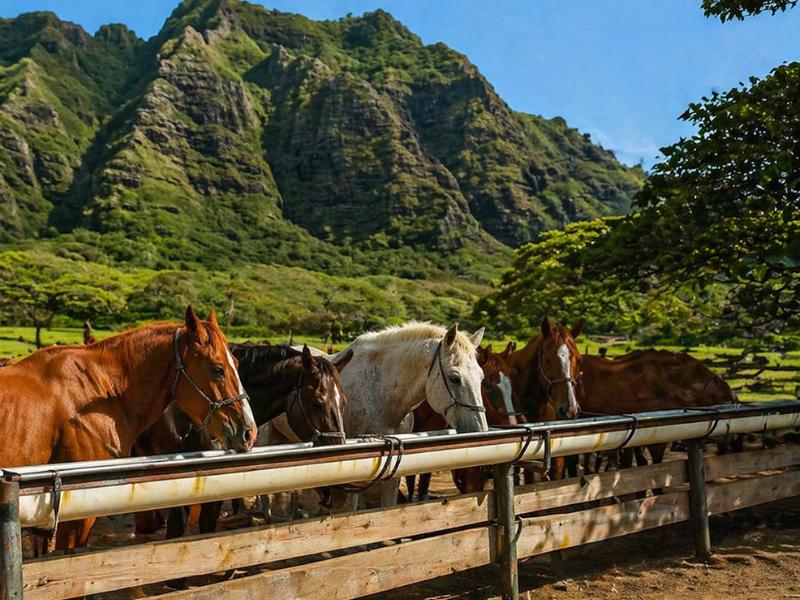
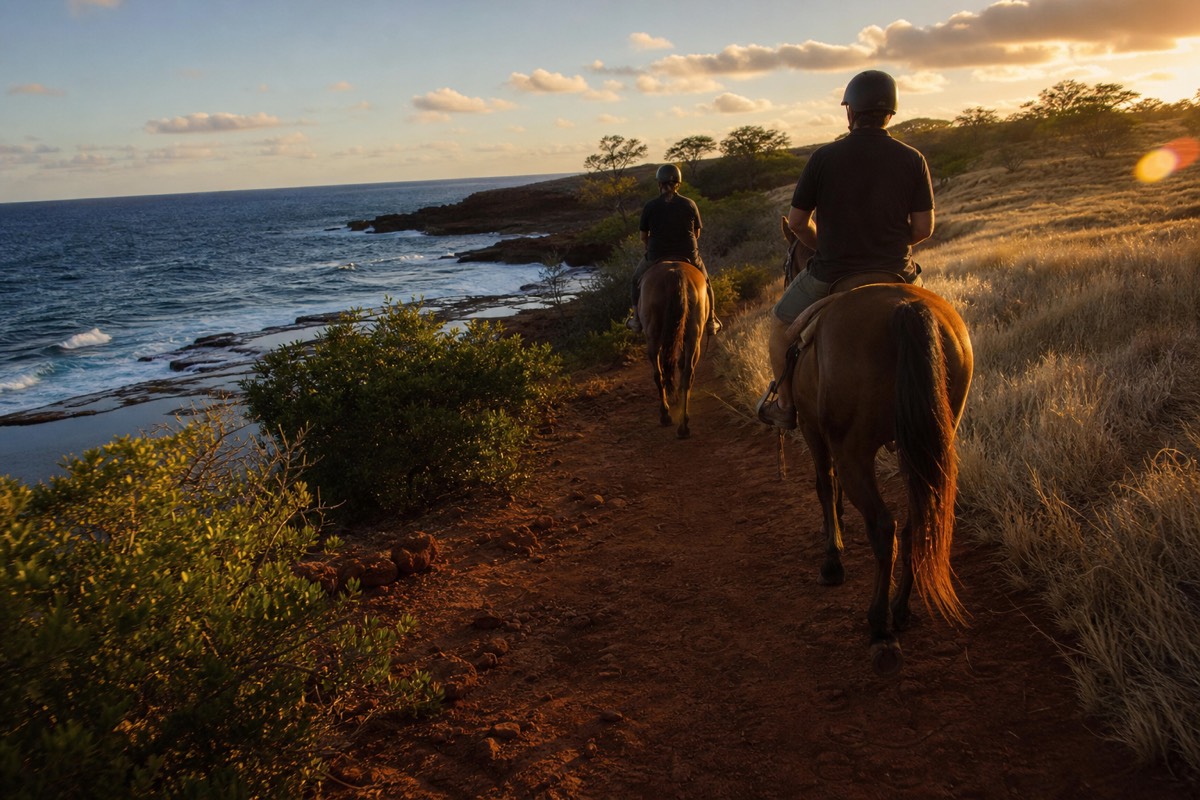
A booking on the dry south coast is a fundamentally different weather proposition from one on the north shore, and the gap is larger than most visitors expect. That is one of the quiet advantages of the Maha'ulepu Scenic Ocean, Mountain & Valley ride, which runs through the open ranchland above Maha'ulepu on the island's driest, most sheltered coast. Rain on the mountains behind you is often visible from the trail without ever reaching it.
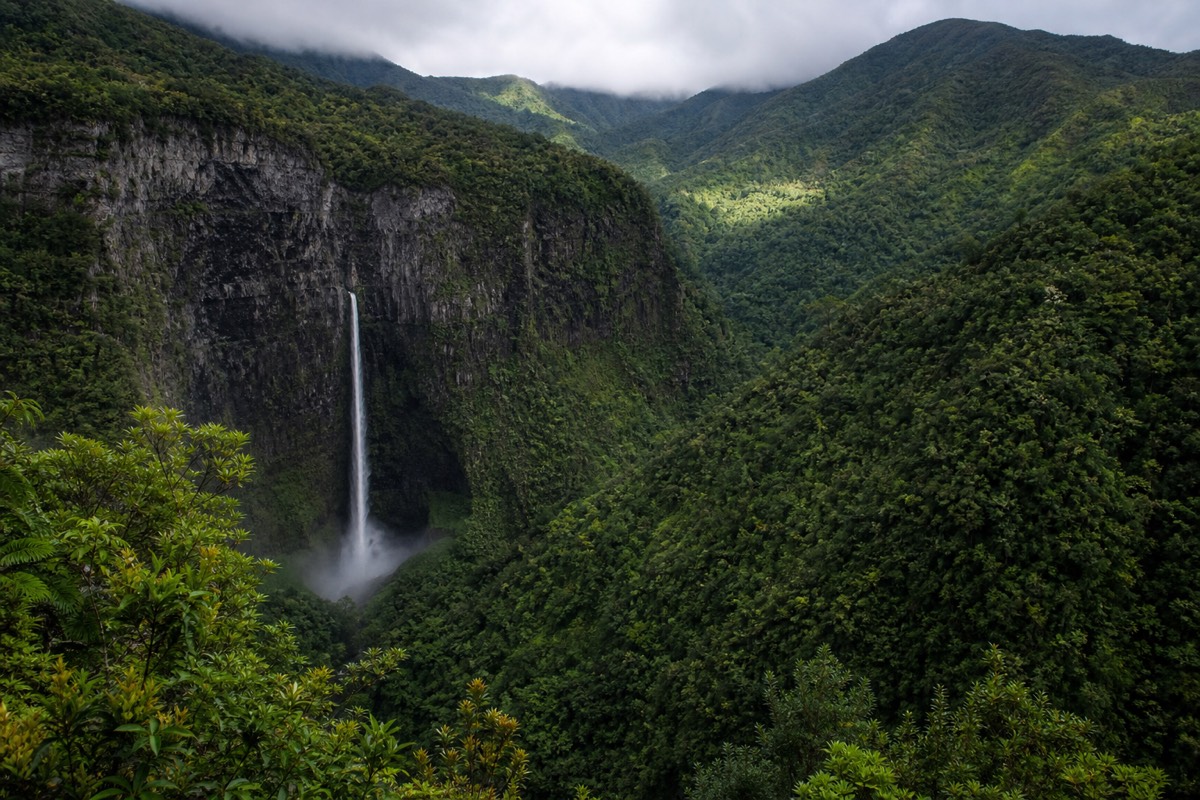
Mount Wai'ale'ale And The Wettest-place Claim
Kauai's interior peak averages something around 450 inches of rain a year, and in 1982 it recorded 666 inches, which stands as its official record. It is routinely called the wettest place on Earth. Strictly that is not right: Britannica notes that Mawsynram in India holds a higher long-run average, so Wai'ale'ale is one of the wettest spots rather than the wettest.
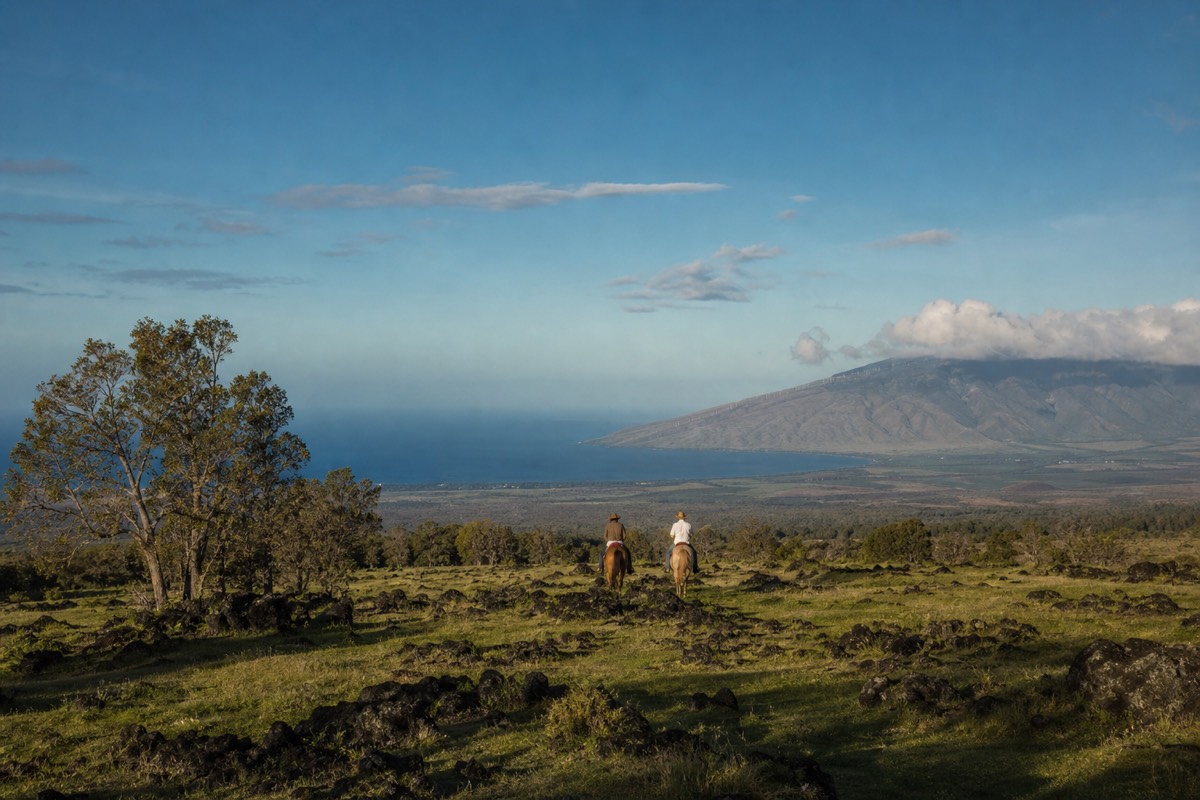
The genuinely striking part is the gradient. A few miles from that peak, annual rainfall collapses to around ten inches. An island that contains both of those numbers is not an island you can plan for with a single forecast, and the practical takeaway for riders is to check the forecast for the specific coast you are riding on, not for "Kauai".
What Actually Happens To A Booked Ride When It Rains
Being direct here matters more than sounding authoritative. There is no single Kauai horseback cancellation policy, and no universal rule about what counts as too much rain. Operators set their own terms, and those terms differ on notice periods, refunds, rescheduling and what weather triggers a call at all. Any article that tells you "your ride will be refunded if it rains" is making that up.
So the honest guidance is procedural rather than specific:
- Read the cancellation and weather terms shown on the booking itself, before paying. They are part of the listing, not an afterthought.
- If the wording is vague, message the operator and ask what they do about rain specifically, and get the answer in writing.
- Ask who makes the call and when. A decision made the morning of the ride is very different from one made the night before for your travel planning.
- Assume light rain does not automatically cancel anything. Trail rides in a tropical climate are not built around perfect weather, and a passing shower is normal.
- Book earlier in your trip so a rescheduled ride still has somewhere to go. This is the single most effective thing you control.
Comparing terms across operators is worth ten minutes if the trip is tightly scheduled. Our breakdown of how the Kauai riding operators compare covers what differs between them, and you can see the current options on the list of available rides.
What To Wear And Carry When Rain Is Likely
The standard riding kit does not change: long trousers, closed-toe shoes with a small heel, a helmet. What changes is what you add.
A thin packable rain layer is the one thing genuinely worth carrying, and the emphasis is on thin. Heavy waterproofs are unpleasant in tropical humidity and awkward in the saddle. Something that flaps loudly in wind is also a poor idea around horses. Beyond that, expect your shoes to get wet and pack accordingly, and leave anything you care about staining at the hotel, because Kauai's red dirt is not a metaphor.
Trail Conditions After Rain
The red iron-rich soil across the old plantation ranchlands turns slick when wet and holds water in the low sections. Guides adjust for it by changing pace and sometimes route, which is a normal part of riding here rather than a sign anything has gone wrong. Rides move at a walk in these conditions, and that is the point.
The visual pay-off is real too. Pasture is at its greenest in the weeks after rain, cloud sitting on the interior ridgelines is more dramatic than clear blue, and the light between showers is better than anything a cloudless day produces. Anyone planning around light should read up on golden hour timing and which direction the south shore faces, since broken cloud and low sun are a better combination than either alone.
If rain does shift your plans, the flexibility of a short ride is what saves the day. Because the Kauai horseback tours listed here run one to two hours rather than half a day, they are far easier to move to another morning than a boat tour is. That is also why it helps to know where a ride best fits into a multi-day Kauai plan before you book anything at all. For a broader month-by-month view of conditions, the Kauai weather overview breaks the year down in more detail.